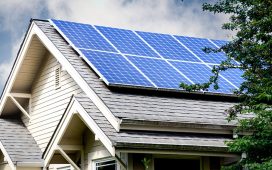

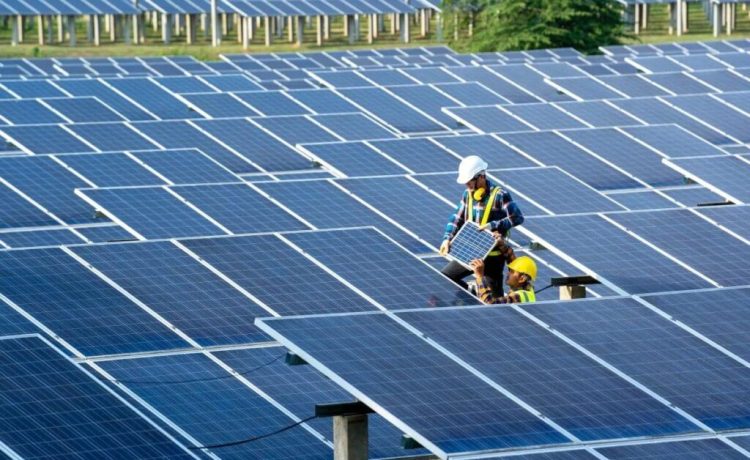
The rising demand for sustainable energy solutions in Thailand has brought attention to the untapped potential of solar rooftops. With its tropical climate and abundant sunlight, Thailand is uniquely positioned to benefit from this renewable energy source. By utilising rooftops to generate power efficiently, solar installations are not just about reducing electricity bills, they represent a shift towards greener living for households and businesses alike.
Thailand’s energy policies have increasingly emphasised renewable sources to address environmental concerns and the growing need for energy security. Solar rooftops directly align with these priorities, offering an accessible solution for urban and rural homes. The adaptation of solar installations in residential areas has already demonstrated significant potential in offsetting reliance on conventional energy sources, paving the way for a more sustainable future powered by sunlight.
Notably, solar rooftop systems are being installed across a variety of properties—from family homes to industrial complexes. This flexibility ensures they can cater to the diverse energy needs found across Thailand. Given Thailand’s high average daily sunshine hours, these systems provide an opportunity to harness an energy source that would otherwise go untapped.
The Environmental and Economic Benefits
Shifting to solar power significantly reduces carbon emissions, a critical step in combating climate change. Many regions in Thailand face challenges with air pollution, and the carbon-neutral nature of solar energy can help mitigate this issue over time. By encouraging the adoption of clean energy, solar rooftops contribute not only to household savings but also to improving public health and environmental quality.
From an economic perspective, solar rooftop adoption can save households and businesses considerable amounts over time. Although installation costs may require an initial investment, ongoing advancements in technology are gradually making these systems more affordable for a broader section of Thai society. Furthermore, excess energy generated through solar panels can often be fed back into the national grid, offering financial incentives to owners of solar systems.
Energy Independence for Thai Communities
Another significant advantage of solar rooftops is their ability to promote energy independence. Traditional energy grids are reliant on non-renewable sources such as coal and gas. Fluctuating international prices for these resources can lead to inconsistent costs for energy consumers in Thailand. Solar energy, by contrast, offers a way to stabilise energy costs through local production.
This aspect is especially beneficial for rural areas in Thailand, where energy access can sometimes be limited. Solar rooftops can empower remote communities by providing a reliable energy source, reducing dependence on external providers. The decentralised nature of rooftop systems also enhances resilience during power outages, ensuring communities can maintain access to energy when it is most needed.
The Path Forward for Solar Power in Thailand
For Thailand to fully realise the potential of solar rooftops, strategic policies and public awareness are crucial. Government initiatives to incentivise renewable energy adoption, such as subsidies or reduced bureaucratic hurdles for installations, would encourage more widespread uptake. Equally important is the role of education in helping people understand how solar power works and its benefits.
Thailand has already taken notable steps to integrate renewable energy into its national agenda, and solar rooftops are poised to play a central role in this transition. By combining environmental benefits with financial appeal and energy independence, these systems stand out as a game-changer for the nation’s sustainable development.
Solar rooftops are more than just an energy solution, they symbolise a shift towards a cleaner, more self-reliant future for Thailand. Maintaining this momentum through supportive policies and increased awareness will ensure that solar energy truly becomes the power of tomorrow.