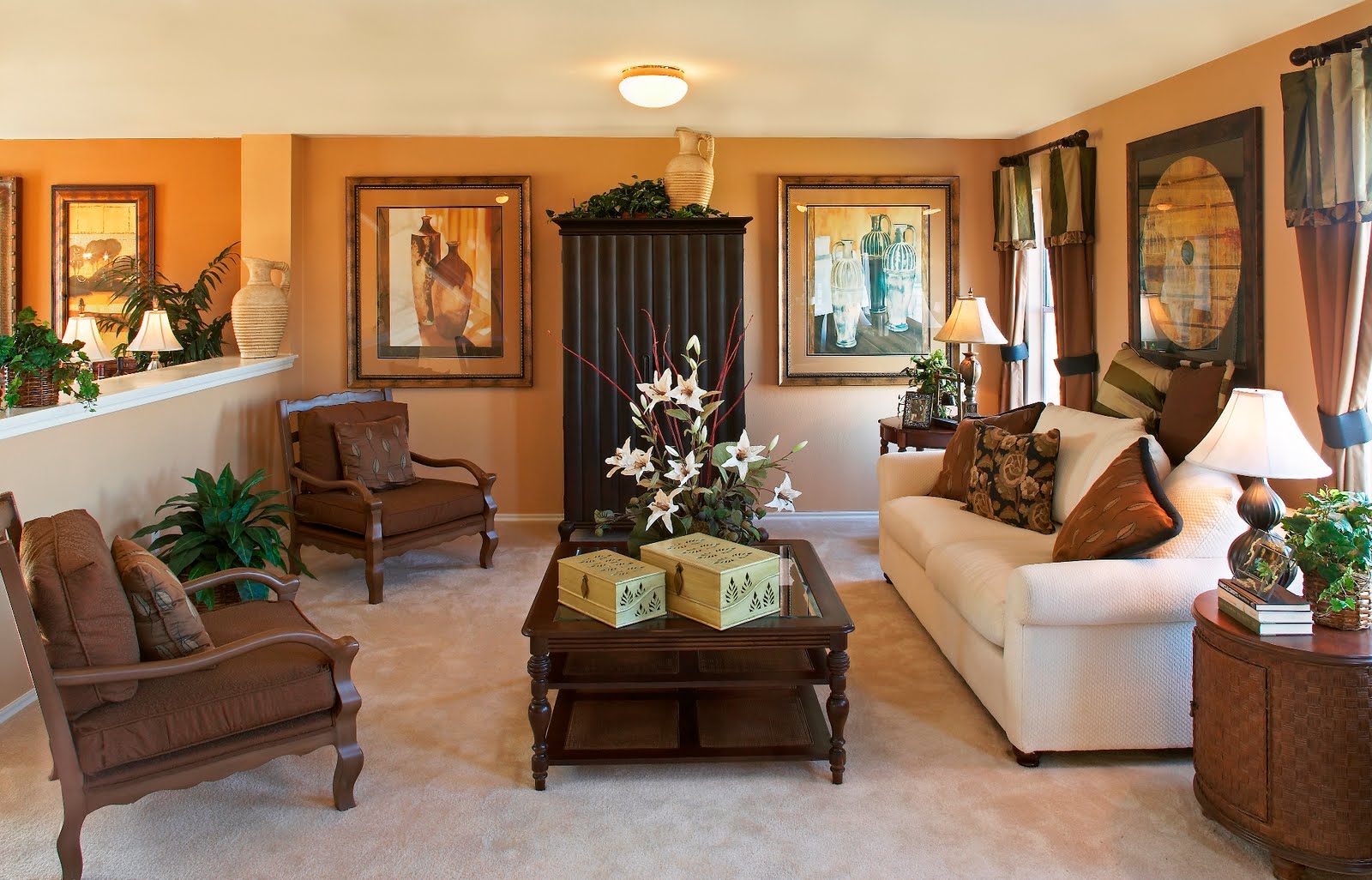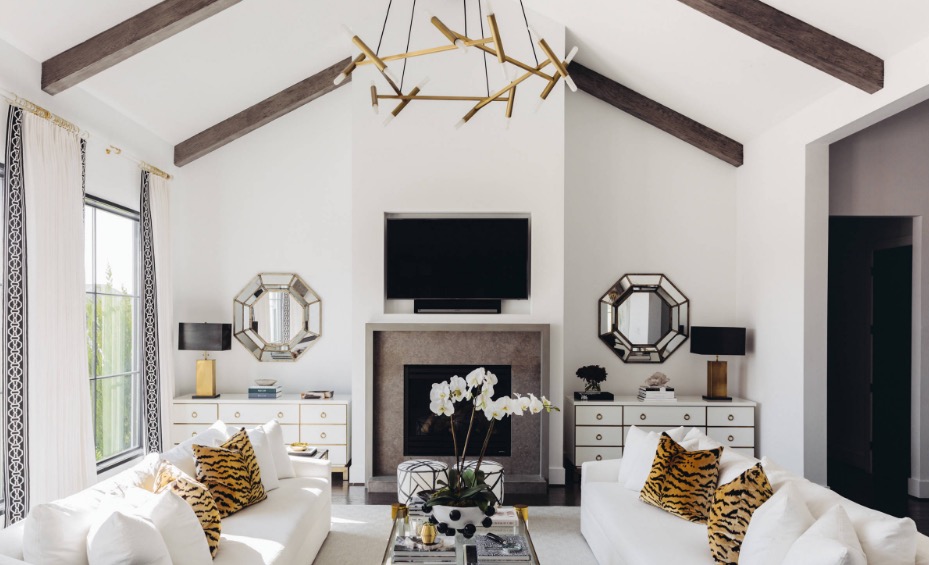

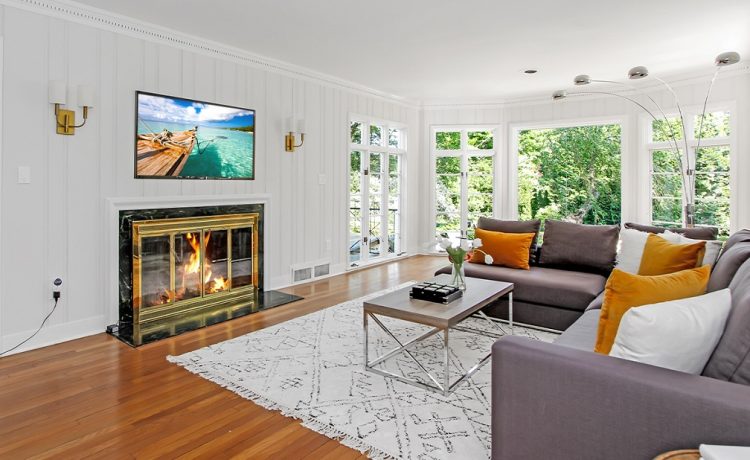
Thoughtful décor has the power to transform any space, no matter its size or budget. The key lies in making intentional choices that balance functionality, comfort, and visual appeal. Whether you’re refreshing a single room or rethinking your entire home, these décor tips will help you create interiors that feel polished, personal, and timeless.
Start With a Clear Vision
Before buying décor pieces, define the mood you want to achieve. A cohesive vision prevents clutter and ensures your space feels intentional rather than random.
Ask yourself:
-
Do I prefer modern, traditional, bohemian, or minimalist décor?
-
Should the room feel calm, energetic, or cozy?
-
What colors make me feel most at ease?
Having answers to these questions helps guide every décor decision.
Use Color Strategically
Color influences how a space feels more than any other design element.
Smart color tips:
-
Stick to one main color, one secondary shade, and one accent tone
-
Use lighter hues to make small rooms feel larger
-
Add depth with contrasting accents like cushions, rugs, or art
Neutral bases paired with bold accents offer flexibility and longevity.
Layer Lighting for Impact
Relying solely on overhead lighting flattens a room. Layered lighting adds warmth and dimension.
Include:
-
Ambient lighting for overall brightness
-
Task lighting for reading or work areas
-
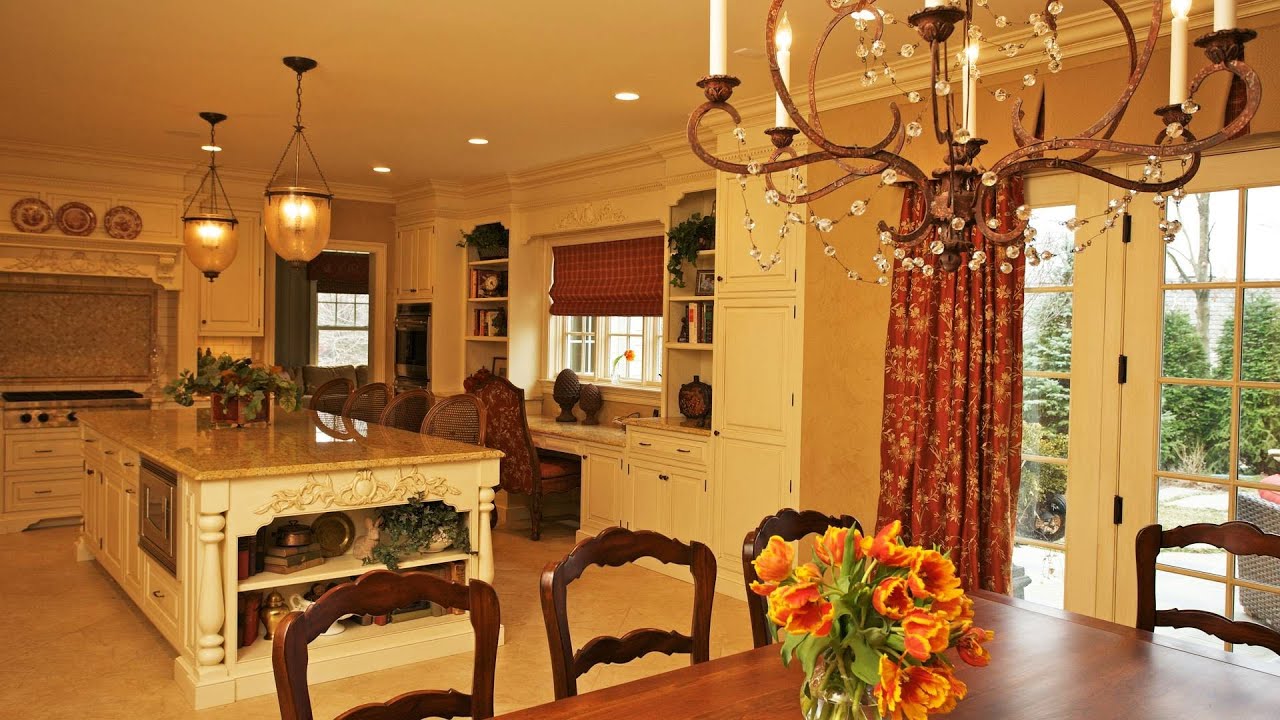
Accent lighting to highlight décor or architectural details
Soft, warm bulbs make living spaces feel more inviting.
Balance Furniture Proportions
Oversized furniture can overwhelm a room, while pieces that are too small feel underwhelming.
Proportion guidelines:
-
Leave enough space for comfortable movement
-
Choose furniture that matches the scale of the room
-
Avoid pushing all furniture against the walls
Balanced layouts create harmony and improve functionality.
Add Texture for Depth
Texture prevents spaces from feeling flat or sterile.
Easy ways to add texture:
-
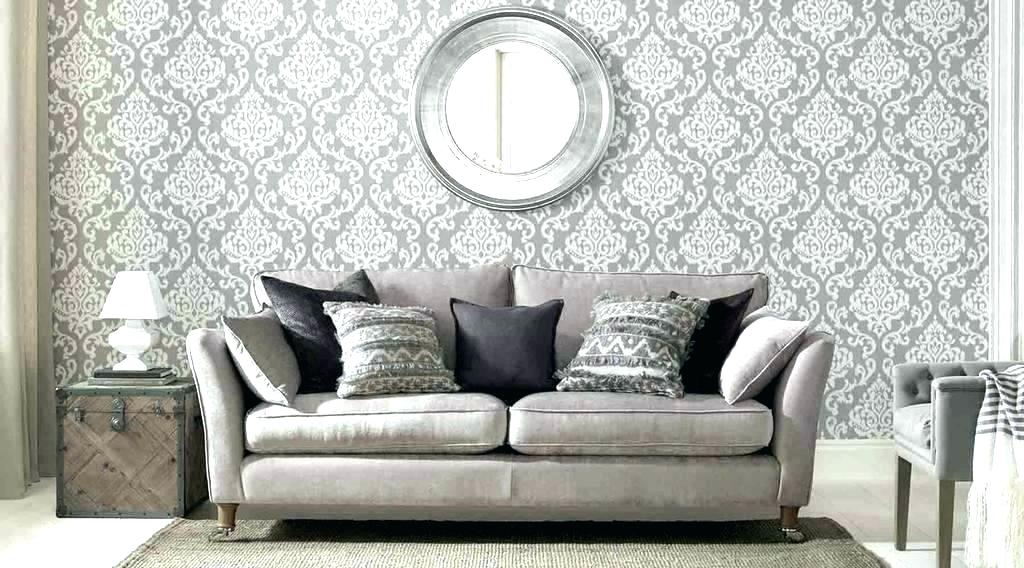
Layer rugs over hardwood or tile floors
-
Mix materials like wood, metal, linen, and glass
-
Use throws, cushions, and curtains for softness
Combining textures makes even neutral rooms visually rich.
Personalize With Meaningful Accents
Décor should reflect who you are, not just current trends.
Personal touches include:
-
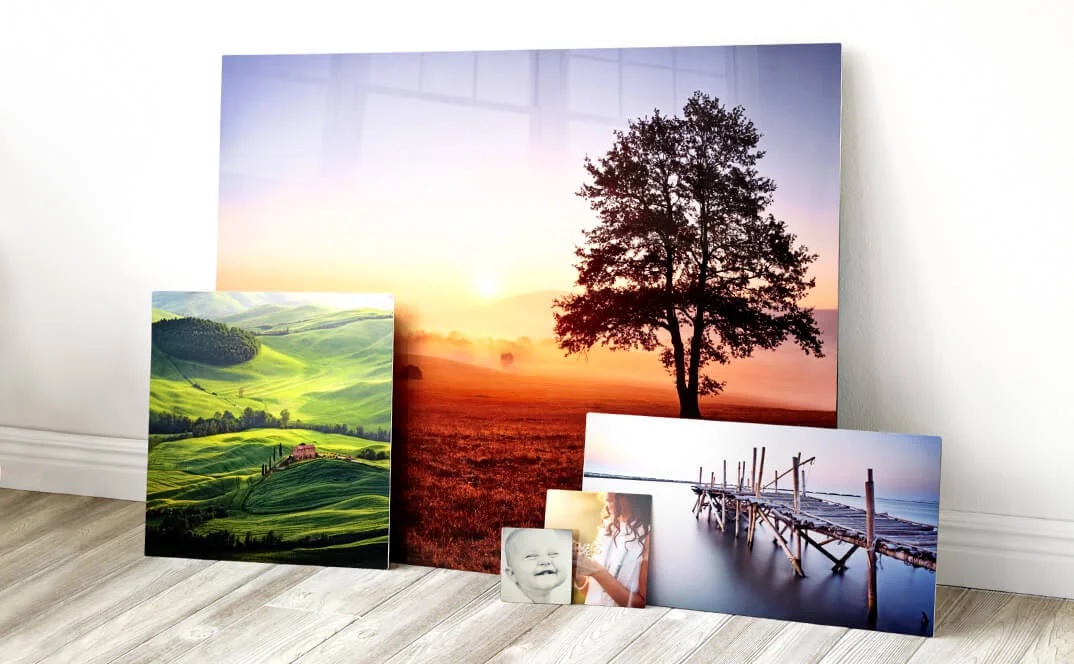
Framed photos or travel souvenirs
-
Handmade or vintage décor pieces
-
Books, art, or objects that tell a story
These elements bring warmth and authenticity to your home.
Incorporate Greenery Naturally
Plants breathe life into interiors while improving air quality.
Best practices:
-
Use low-maintenance plants if you’re short on time
-
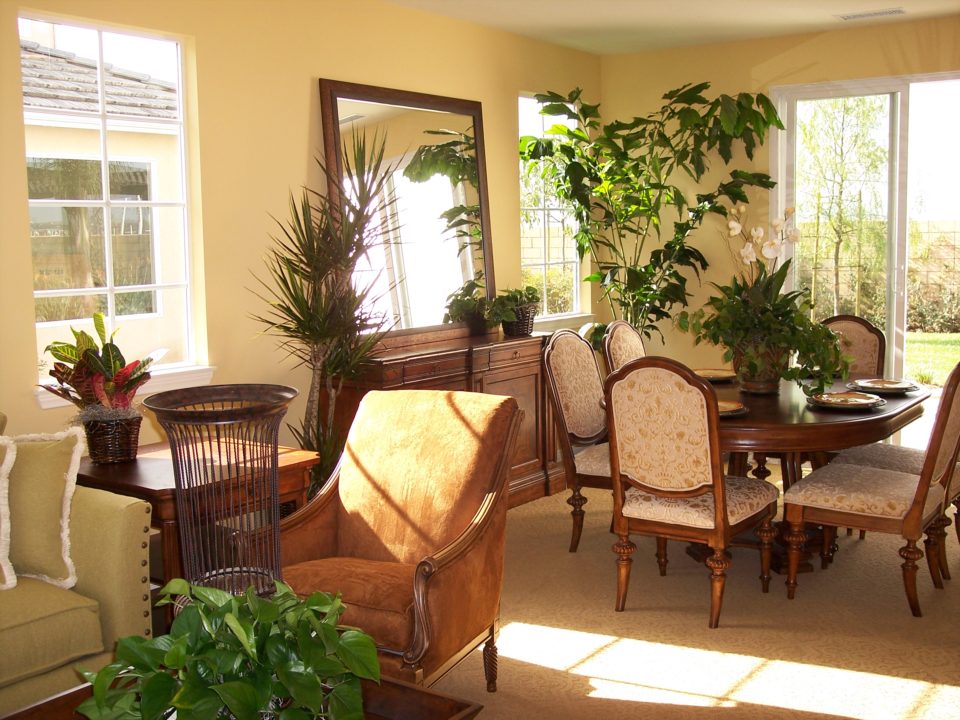
Place plants at varying heights for visual interest
-
Mix real and high-quality faux greenery if needed
Even a single plant can soften a room dramatically.
Keep Clutter in Check
Too many décor items dilute visual impact.
Decluttering tips:
-
Follow the “less but better” rule
-
Group accessories in odd numbers
-
Rotate décor seasonally instead of displaying everything at once
Clean spaces highlight your best design choices.
Frequently Asked Questions
How often should I update my home décor?
Small updates every season work well, while major changes every 3–5 years keep your space feeling fresh without constant overhauls.
Can I mix different décor styles in one room?
Yes, blending styles works when you maintain a consistent color palette and balance proportions carefully.
What is the easiest décor upgrade on a budget?
Switching cushion covers, adding plants, or updating lighting fixtures delivers instant impact at minimal cost.
How do I decorate a small space without cluttering it?
Choose multi-functional furniture, limit accessories, and use mirrors to visually expand the room.
Are neutral colors boring for home décor?
Not at all. Neutrals become dynamic when layered with textures, patterns, and accent pieces.
How many decorative items should I display in one room?
Quality matters more than quantity. A few well-placed items make a stronger statement than many small pieces.
What décor mistakes should I avoid?
Ignoring scale, overcrowding surfaces, poor lighting, and following trends without considering personal comfort are common pitfalls.