
Furniture is more than a functional necessity—it shapes how we live, work, and relax. From the chair you sit on every day to the bed that supports your rest, furniture plays a central role in comfort, productivity, and personal expression. Well-chosen furniture blends utility, durability, and aesthetics, transforming empty spaces into meaningful environments.
Understanding Furniture and Its Purpose
At its core, furniture refers to movable objects designed to support human activities. These include seating, sleeping, dining, storage, and working needs. Over time, furniture has evolved from purely practical items into design statements that reflect lifestyle, culture, and innovation.
Core Functions of Furniture
-
Comfort: Supports posture, relaxation, and rest
-
Organization: Provides storage and reduces clutter
-
Efficiency: Enhances productivity in workspaces
-
Aesthetics: Defines the visual character of a room
Types of Furniture for Different Spaces
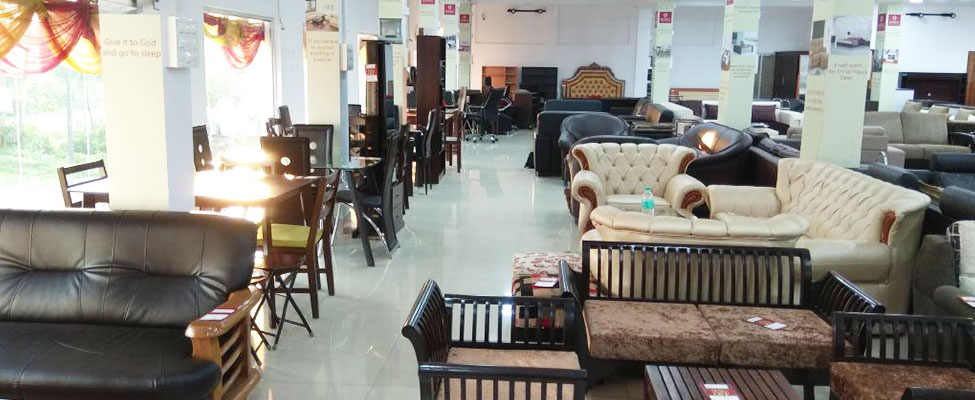
Different spaces demand different furniture solutions. Choosing the right type ensures both functionality and harmony within the environment.
Living Room Furniture
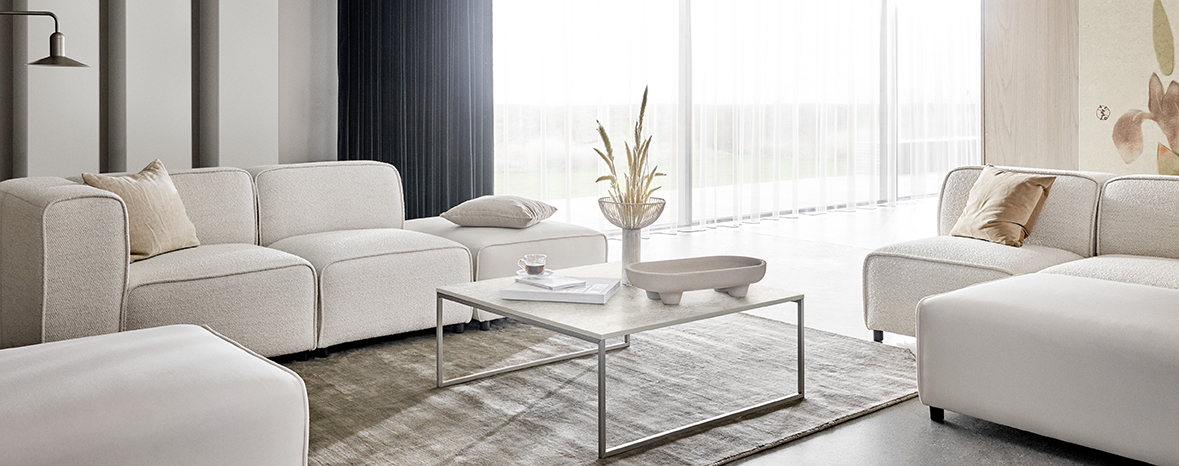
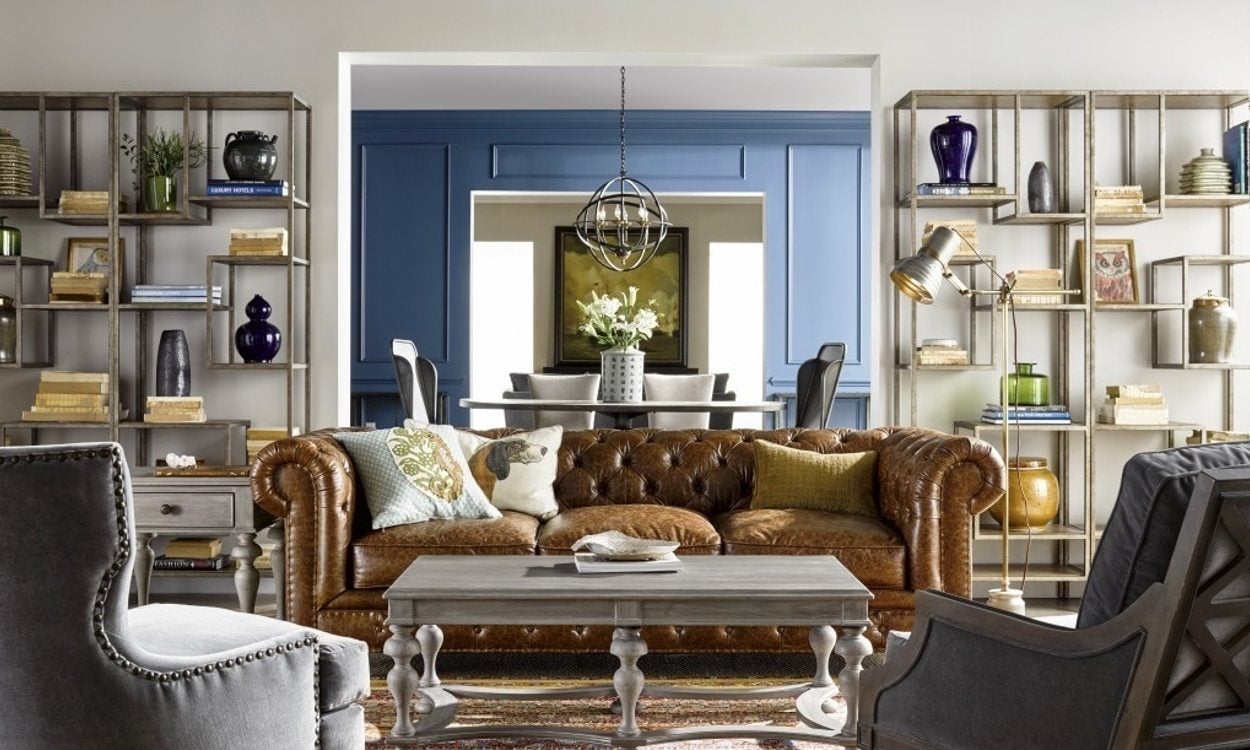
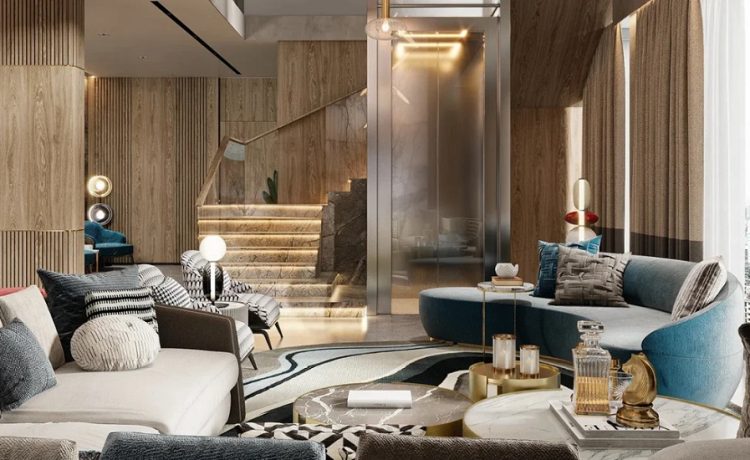
The living room is often the heart of the home. Furniture here should balance comfort with style.
-
Sofas and sectionals
-
Coffee and side tables
-
TV units and shelving
-
Accent chairs
Bedroom Furniture
Bedroom furniture focuses on rest and personal storage.
-
Beds and headboards
-
Wardrobes and dressers
-
Nightstands
-
Vanity tables
Office Furniture
Designed to support long hours of work while promoting good posture.
-
Ergonomic chairs
-
Work desks
-
Storage cabinets
-
Adjustable tables
Dining Furniture
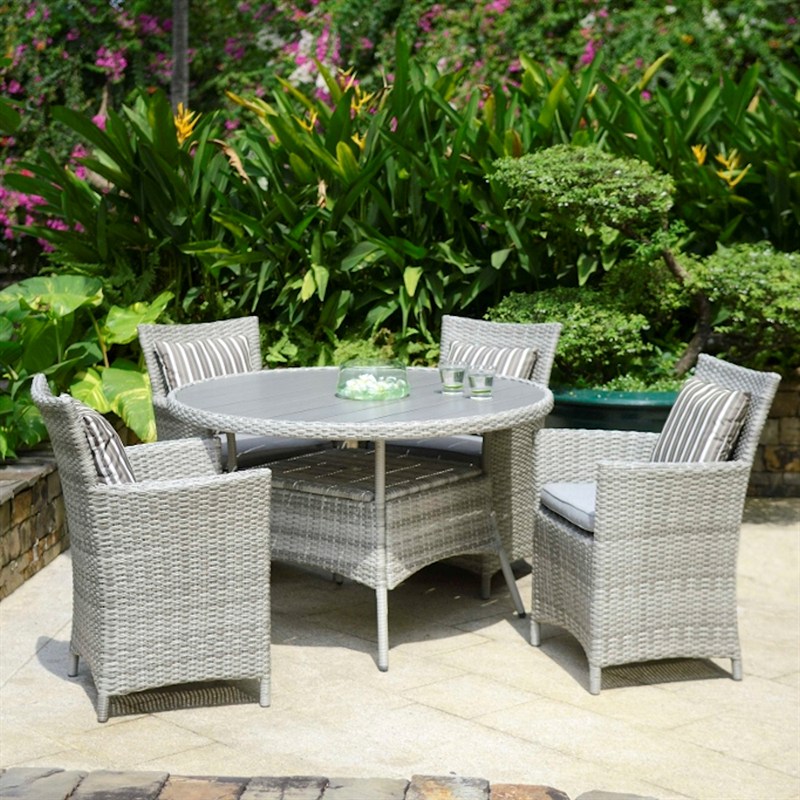
Dining furniture brings people together and should be both sturdy and inviting.
-
Dining tables
-
Chairs and benches
-
Sideboards
Materials Commonly Used in Furniture
The material determines a piece’s durability, maintenance, and overall look.
Popular Furniture Materials
-
Wood: Timeless, strong, and versatile
-
Metal: Modern, durable, and low-maintenance
-
Glass: Sleek and space-enhancing
-
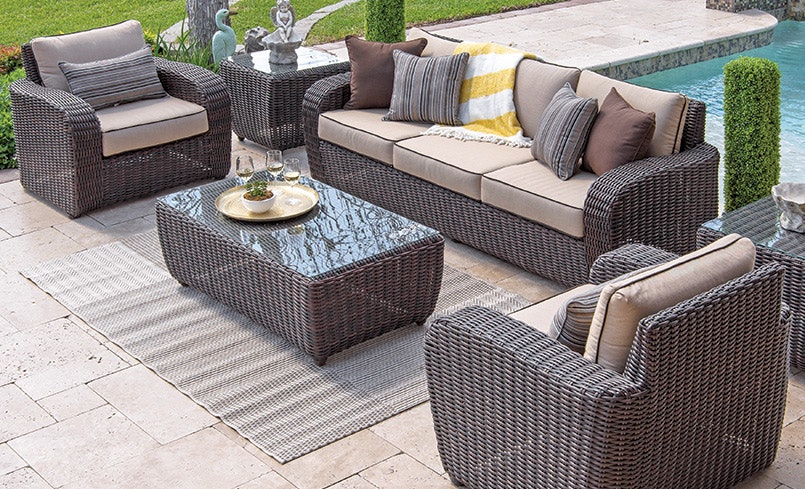
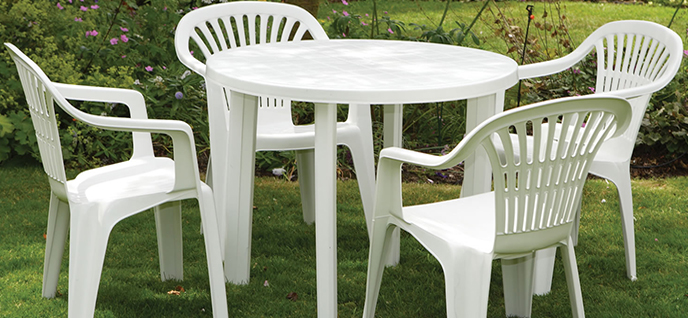
Plastic & Resin: Lightweight and affordable
-
Upholstered Fabric & Leather: Adds comfort and luxury
The Importance of Ergonomics in Furniture
Ergonomic furniture is designed to support the natural posture of the human body. This is especially crucial for office and study furniture.
Benefits of ergonomic furniture include:
-
Reduced back and neck strain
-
Improved productivity
-
Better long-term health
-
Increased comfort during prolonged use
Sustainable and Eco-Friendly Furniture
With growing environmental awareness, sustainable furniture has gained popularity. It focuses on responsible sourcing and long-lasting design.
Key Features of Sustainable Furniture
-
Made from recycled or renewable materials
-
Low chemical finishes
-
Long lifespan and repairability
-
Ethical manufacturing practices
Choosing eco-friendly furniture not only reduces environmental impact but also creates healthier indoor spaces.
How to Choose the Right Furniture
Selecting furniture requires more than liking its appearance. Practical considerations ensure satisfaction over time.
Factors to Consider
-
Space and layout: Measure before buying
-
Lifestyle needs: Family size, pets, daily use
-
Budget: Balance cost with quality
-
Maintenance: Cleaning and care requirements
-
Design harmony: Match with existing décor
Furniture Trends Shaping Modern Homes
Furniture trends continue to evolve with changing lifestyles and technology.
Current Trends to Watch
-
Minimalist and modular designs
-
Multi-functional furniture for small spaces
-
Neutral tones with bold accents
-
Smart furniture with built-in technology
The Long-Term Value of Quality Furniture
Investing in quality furniture pays off over time. Well-crafted pieces offer durability, comfort, and timeless appeal. Instead of frequent replacements, quality furniture becomes part of your daily life for years, sometimes even generations.
Frequently Asked Questions (FAQs)
1. How long does good-quality furniture typically last?
High-quality furniture can last anywhere from 10 to 30 years, depending on material, craftsmanship, and maintenance.
2. Is custom furniture better than ready-made furniture?
Custom furniture offers a perfect fit and personalization, while ready-made furniture is more affordable and readily available. The choice depends on budget and specific needs.
3. What is the best furniture for small spaces?
Multi-functional and modular furniture, such as sofa beds and storage ottomans, works best for small spaces.
4. How can I maintain wooden furniture?
Regular dusting, avoiding direct sunlight, and using appropriate wood polish help maintain wooden furniture.
5. Does furniture color affect room size perception?
Yes, lighter colors make rooms feel larger and more open, while darker tones create a cozy, enclosed feel.
6. What should I check before buying upholstered furniture?
Check fabric quality, cushion density, frame material, and ease of cleaning before purchasing.
7. Is ergonomic furniture only for offices?
No, ergonomic principles are also applied to home furniture like sofas, recliners, and beds for better comfort and support.