
In a sun-drenched country like Australia, creating comfortable outdoor spaces is a common goal for homeowners and businesses alike. While we seek protection from the harsh sun, our choices can also have a positive impact on the environment. Shade solutions offer more than just relief from the heat; they can contribute to a more sustainable way of living by reducing energy consumption and promoting cooler microclimates.
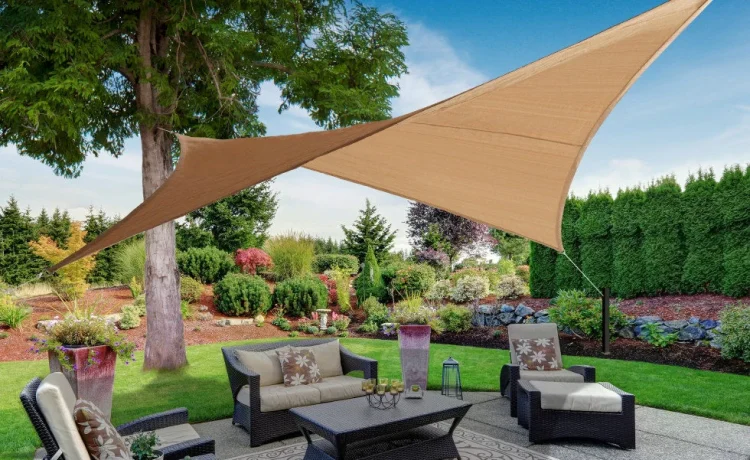
Among the various options available, shade sails provide a particularly effective and eco-friendly solution. These versatile fabric structures are not only functional but also offer distinct environmental advantages. By strategically placing them over windows, patios, and outdoor areas, you can passively cool your property, lessening the reliance on energy-intensive air conditioning systems.
This simple addition can lead to a noticeable reduction in household energy bills and a smaller carbon footprint. The environmental benefits extend beyond individual properties, contributing to cooler urban environments and more sustainable communities. Understanding how these structures work can help you make an informed choice that benefits both your comfort and the planet.
Reducing Energy Consumption
One of the most direct environmental benefits of installing shade sails is the reduction in energy use. When direct sunlight hits windows and walls, it causes a significant amount of heat to transfer into the building, a process known as solar heat gain. This forces air conditioning systems to work harder to maintain a comfortable indoor temperature, consuming large amounts of electricity.
By installing a shade sail to cover these exposed areas, you can block a substantial portion of the sun’s rays before they reach the building’s surface. This simple act of prevention keeps interiors cooler naturally. Studies have shown that external shading can reduce indoor temperatures by several degrees, leading to a considerable decrease in air conditioning usage. This translates to lower electricity bills and a direct reduction in greenhouse gas emissions from power plants.
Creating Cooler Microclimates
On a broader scale, the widespread use of shade structures can help combat the urban heat island effect. In cities and suburbs, hard surfaces like concrete, asphalt, and dark roofing absorb and radiate heat, making these areas significantly warmer than surrounding rural areas. This increased temperature puts a strain on energy grids and can affect public health.
Shade sails help mitigate this effect by covering these heat-absorbing surfaces. Shading car parks, playgrounds, and public squares keeps the ground cooler throughout the day. This, in turn, helps lower the ambient air temperature in the immediate vicinity, creating more pleasant and usable community spaces. Furthermore, by providing shade for plants and soil, these structures can help retain moisture, supporting healthier green spaces within urban settings.
Sustainable Materials and Longevity
Many modern shade fabrics are designed with sustainability in mind. They are often made from high-density polyethylene (HDPE), a material that is 100% recyclable. This means that at the end of their long lifespan, the materials can be repurposed instead of ending up in landfill. The manufacturing process for these fabrics is also becoming more efficient, with a focus on reducing water and energy consumption.
The durability of quality shade sails also contributes to their environmental credentials. Built to withstand Australia’s demanding weather conditions, they are resistant to UV degradation, tearing, and fraying. This long lifespan means fewer replacements are needed over time, reducing the consumption of resources associated with manufacturing and transportation. Choosing a durable, long-lasting product is a fundamental principle of sustainable consumption.